A beginner's guide, between speculative fiction and gilded gears.
Steampunk is an aesthetic where steam never gave way to electricity, where airships still cross the sky, and where every machine — even the most futuristic — remains made of copper, brass, and visible gears. A future imagined with the tools of the 19th century.
Long before it had a name, steampunk already existed in the pages of Jules Verne (Twenty Thousand Leagues Under the Sea, Robur the Conqueror) and H. G. Wells (The Time Machine). These Victorian tales of speculative fiction imagined extraordinary technologies — submarines, flying machines, time travel — always built with the mechanical ingenuity of their era: steam, brass, gears.
The word "steampunk" itself only appeared in 1987, coined by writer K. W. Jeter to describe this kind of fiction, as a nod to the then-popular cyberpunk genre. Since then, the term has grown far beyond literature.
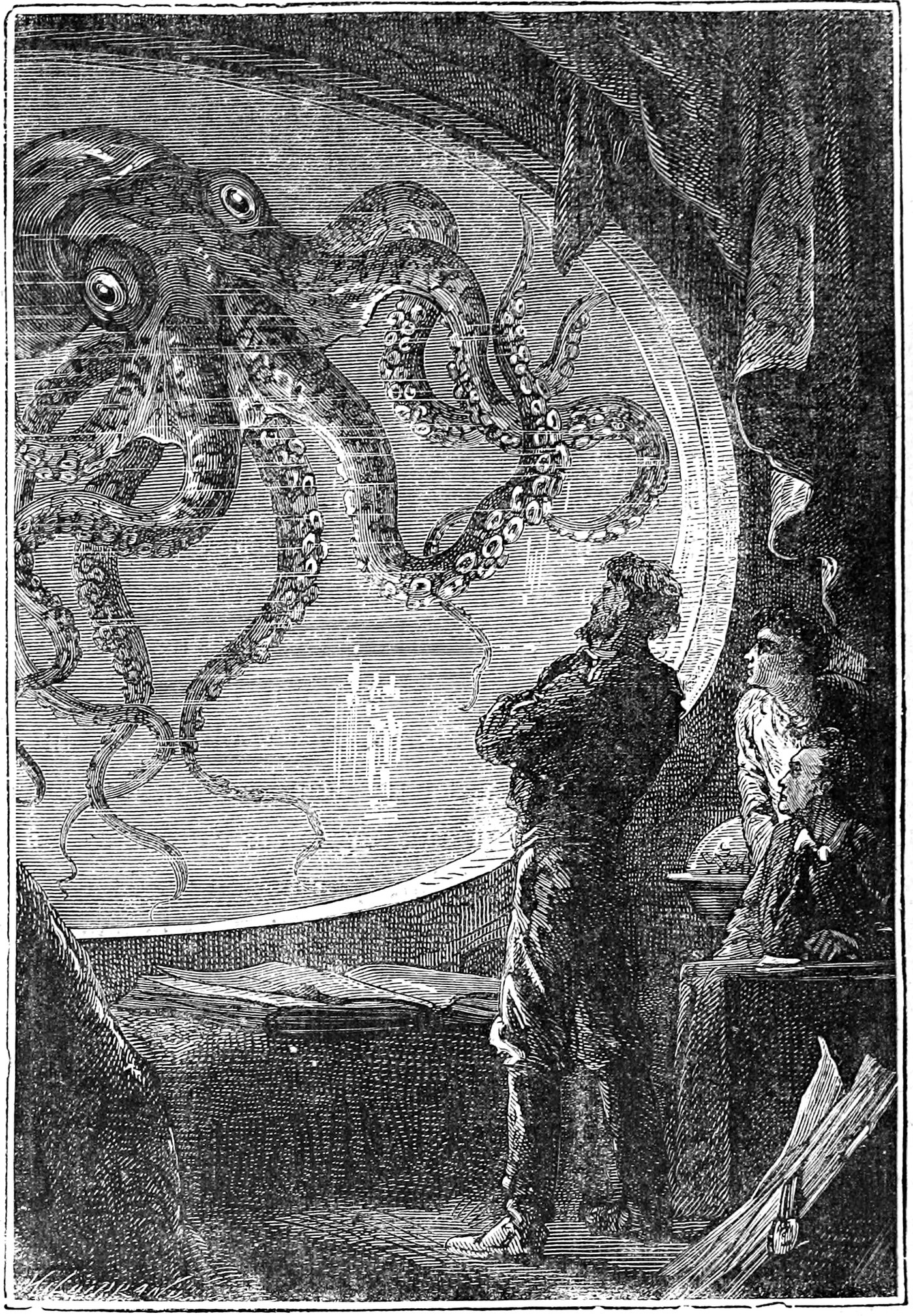
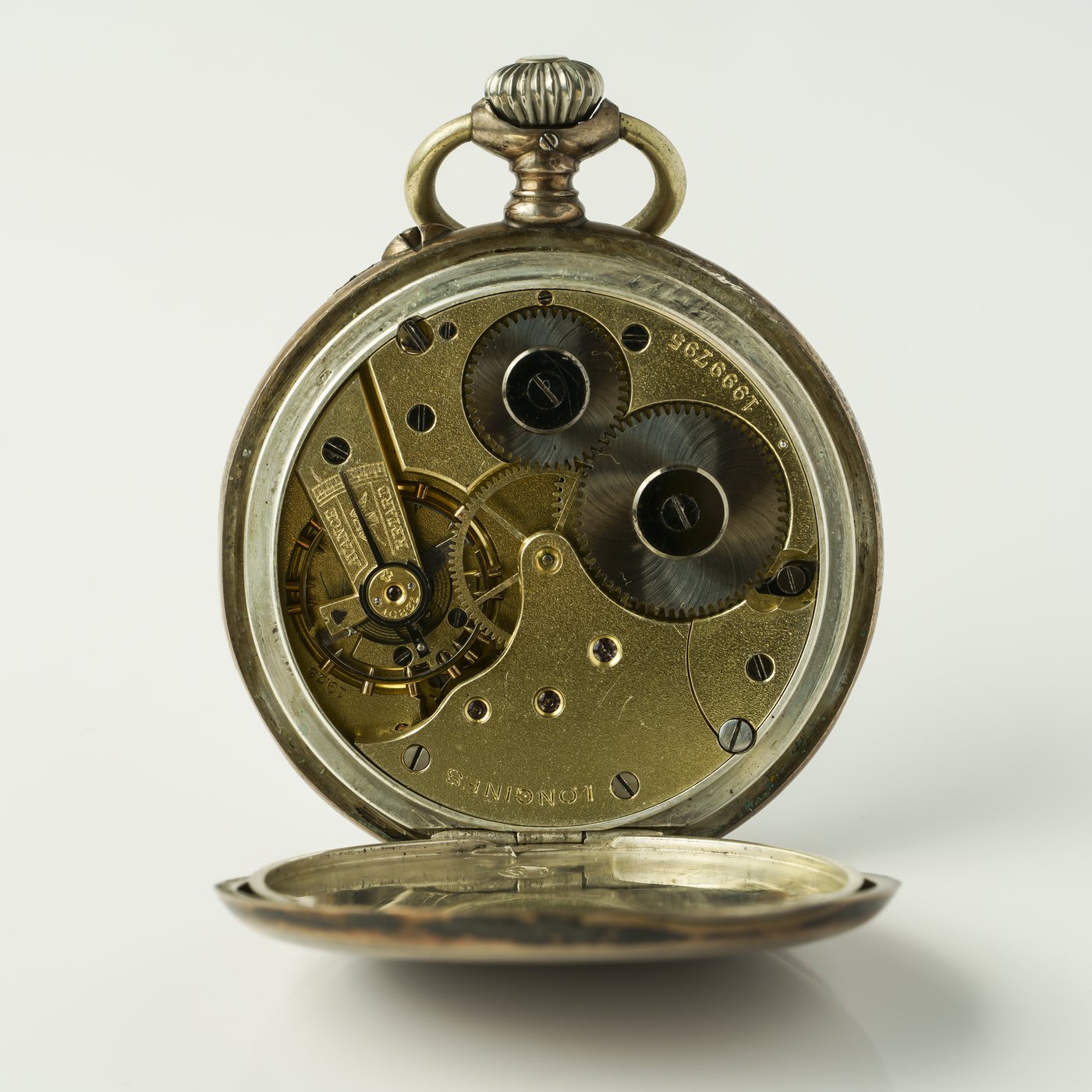
What defines steampunk visually today: noble, weathered materials — copper, bronze, brass, leather — assembled with clockmaker's precision. Gears left visible, never hidden, almost decorative. An elegance borrowed from the Belle Époque: frock coats, corsets, pocket watches, round-lensed goggles. And a retro-futuristic imagination, where airships, automatons, and steam engines stand in for the technologies we know today.
It's a future that never forgot where it came from — every mechanism stays visible, understandable, almost handcrafted.
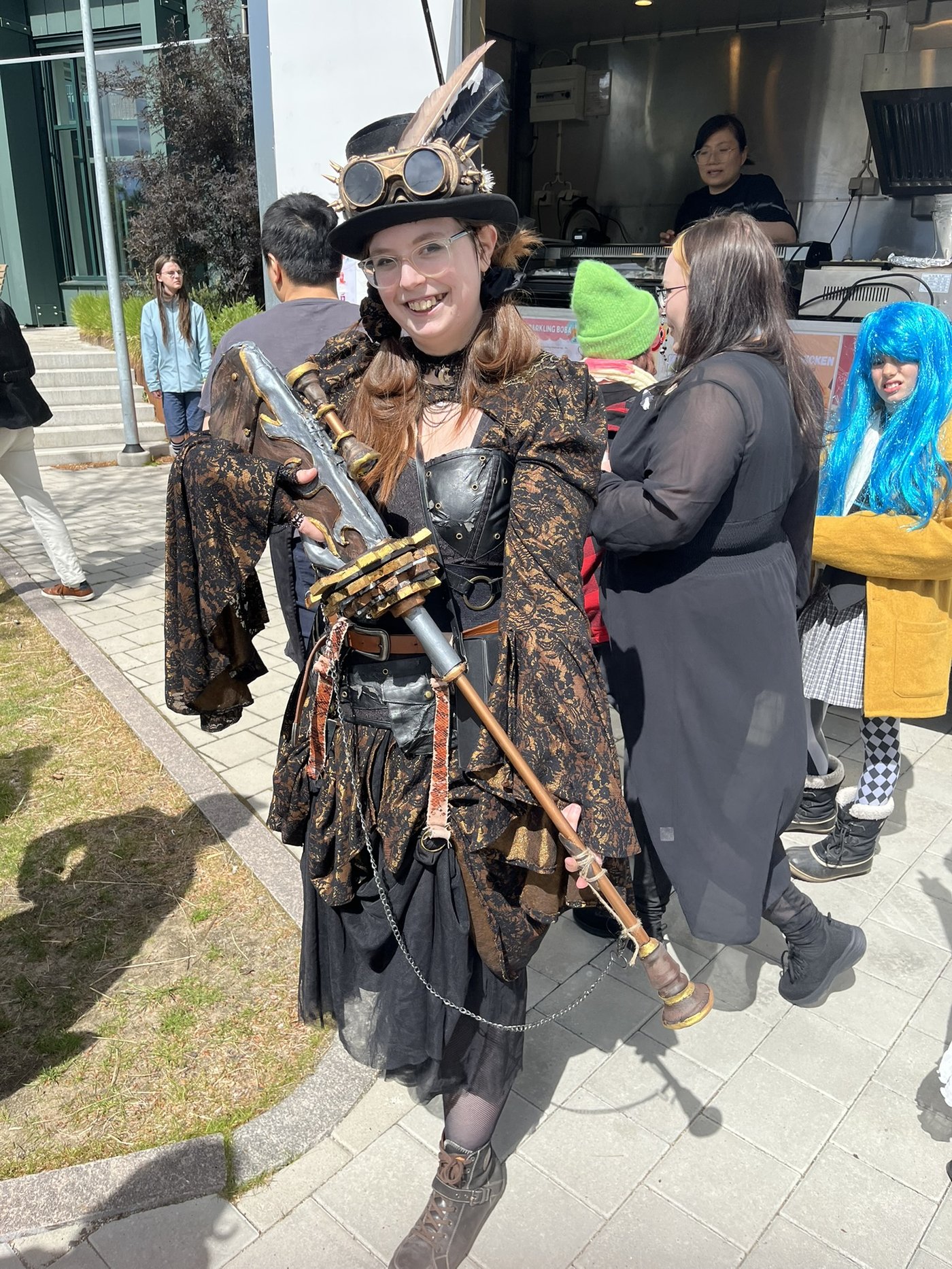
Since the 2000s, steampunk has spilled far beyond fiction into a full visual movement: fashion (steampunk conventions and costumes worldwide), object design, interior decor, and of course, visual art. What draws people in is that rare blend of nostalgia and imagination — a world that feels both familiar and wondrous.
This is exactly the visual language I use to reinterpret classic masterpieces — the Mona Lisa, tarot, the zodiac, antique statuary — without ever betraying the original work: its pose, its composition, its symbolism remain intact. Only the material changes, as if these works had simply kept existing, somewhere, into the age of steam.
— Aurélien Duvernay